|
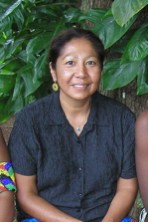
Biography for Debra Harry, Ph.D.
Dr. Debra Harry is a Northern Paiute woman from Pyramid Lake, Nevada. She serves as the Executive Director of the Indigenous Peoples Council on Biocolonialism (IPCB), a U.S.-based non-profit organization created to assist Indigenous peoples in the protection of their genetic resources, Indigenous knowledge, and cultural and human rights from the negative effects of biotechnology. Dr. Harry has developed and teaches a 10-week online course titled “Protecting Cultural Property in the Biotech Age” offered through UCLA’s Extension Tribal Learning Courses. The course provides an overview of biocolonialism, and helps learners identify ways to address the unique issues biotechnology poses for Indigenous Peoples.
Dr. Harry advocates for the rights of Indigenous peoples in international fora including the World Intellectual Property Organization Intergovernmental Committee on Traditional Knowledge, Genetic Resources, and Folklore (WIPO IGC), the Convention on Biological Diversity (CBD), and the United Nations Permanent Forum on Indigenous Issues (UNPFII).
Dr. Harry is also the founder and director the Pesa Nadayadu Poenabe Madabwe (making good strong leaders) Emerging Indigenous Leaders Institute, a program designed to cultivate a new generation of leadership committed to the protection and perpetuation of the rights, culture, and lifeways of Indigenous peoples in the Great Basin bio-cultural region. The EILI is founded on the principle of Indigenous-centered education and creates the opportunity for Indigenous peoples to ground themselves in their own Indigenous knowledge systems, and utilize their culture as the foundation for learning and knowing.
She has authored numerous articles including an article entitled “Indigenous Peoples and Gene Disputes” 84 Chicago-Kent Law Review (2009). She also contributed a chapter entitled, “Acts of Self-Determination and Self-Defense: Indigenous Peoples Responses to Biocolonialism,” as a contribution to a book entitled “Rights and Liberties in the Biotech Age,” (edited by Sheldon Krimsky and Peter Shorett, Roman and Littlefield, 2005), which is an original volume of essays by leading scientists, policy experts and public interest advocates on the impact of genetic technologies on individual and collective rights. Internationally, Debra has advocated for the rights of Indigenous peoples at the UN Permanent Forum on Indigenous Issues, the World Intellectual Property Organization, and the Convention on Biological Diversity. She has co-authored with Le`a Malia Kanehe, JD, LL.M, a chapter entitled “The BS in Access and Benefit Sharing (ABS): Critical Questions for Indigenous Peoples” (in The Catch: Perspectives in Benefit Sharing, Beth Burrows, ed., published by The Edmonds Institute 2005) and an article entitled “The Right of Indigenous Peoples to Permanent Sovereignty Over Genetic Resources and Associated Indigenous Knowledge” in The Journal of Indigenous Policy, published by Jumbunna Indigenous House of Learning, University of Technology, Sydney, Australia. Both pieces of work critique the assertion of intellectual property rights over Indigenous knowledge and genetic material.
She is the Producer of the documentary film “The Leech and the Earthworm (2003),” an IPCB/Yeast Directions production, which examines the globalized hunt for genes within Indigenous territories and features the voices of Indigenous activists from around the world. In 1994, Debra received a three-year Kellogg Foundation leadership fellowship and studied the field of human genetic research and its implications for Indigenous peoples. Debra earned her Doctor of Philosophy degree in the Faculty of Education at the University of Auckland under the supervision of renowned Maori scholar, Dr. Linda Tuhiwai Smith. Dr. Harry’s dissertation titled, “Indigenous Wisdom In The Biotech Age: The Development Of New Knowledge In The Context Of Biocolonialism” was recognized on the Dean’s list for academic excellence.
|